The Tyson Scholars of American Art Program
A Residential Program for Scholars of American Art
The Tyson Scholars of American Art program is a residential research and writing-focused fellowship for interdisciplinary scholars expanding the boundaries of investigation into American art from any time period.
Since its inception in 2012 through a $5 million commitment from the Tyson family and Tyson Foods, Inc., the Tyson Scholars Program has supported the work of 76 scholars. Researchers from a variety of disciplines nationally and internationally have worked on books, articles, and exhibition projects while in residence.
Not sure if this fellowship is for you? Check out our FAQ for a more detailed list of eligibility requirements, or reach out to TysonScholars@crystalbridges.org.
About
Fellowships are residential and support full-time writing and research for terms that range from six weeks to nine months. While in residence, Tyson Scholars have access to the art and library collections of Crystal Bridges as well as the library and archives at the University of Arkansas in nearby Fayetteville.
Stipends vary depending on the duration of residency and experience, and range from $20,000 – $40,000 per semester, plus provided housing. The residency includes $1,500 for relocation expenses and additional research funds upon application. Scholars are provided a workspace in the Crystal Bridges Library. The workspace is an enclosed area shared with other Tyson Scholars. Housing is provided in a fully furnished, shared four-bedroom residence within walking distance of the museum. Each scholar will have their own bedroom and ensuite bathroom with shared living room and kitchen.
During their residency, Tyson Scholars will intersect meaningfully with the dynamic arts ecosystem in Northwest Arkansas. In addition to access to Crystal Bridges and the Momentary (the museum’s satellite contemporary visual, culinary, and performing arts venue), scholars have access to resources, faculty, and graduate students at the University of Arkansas.
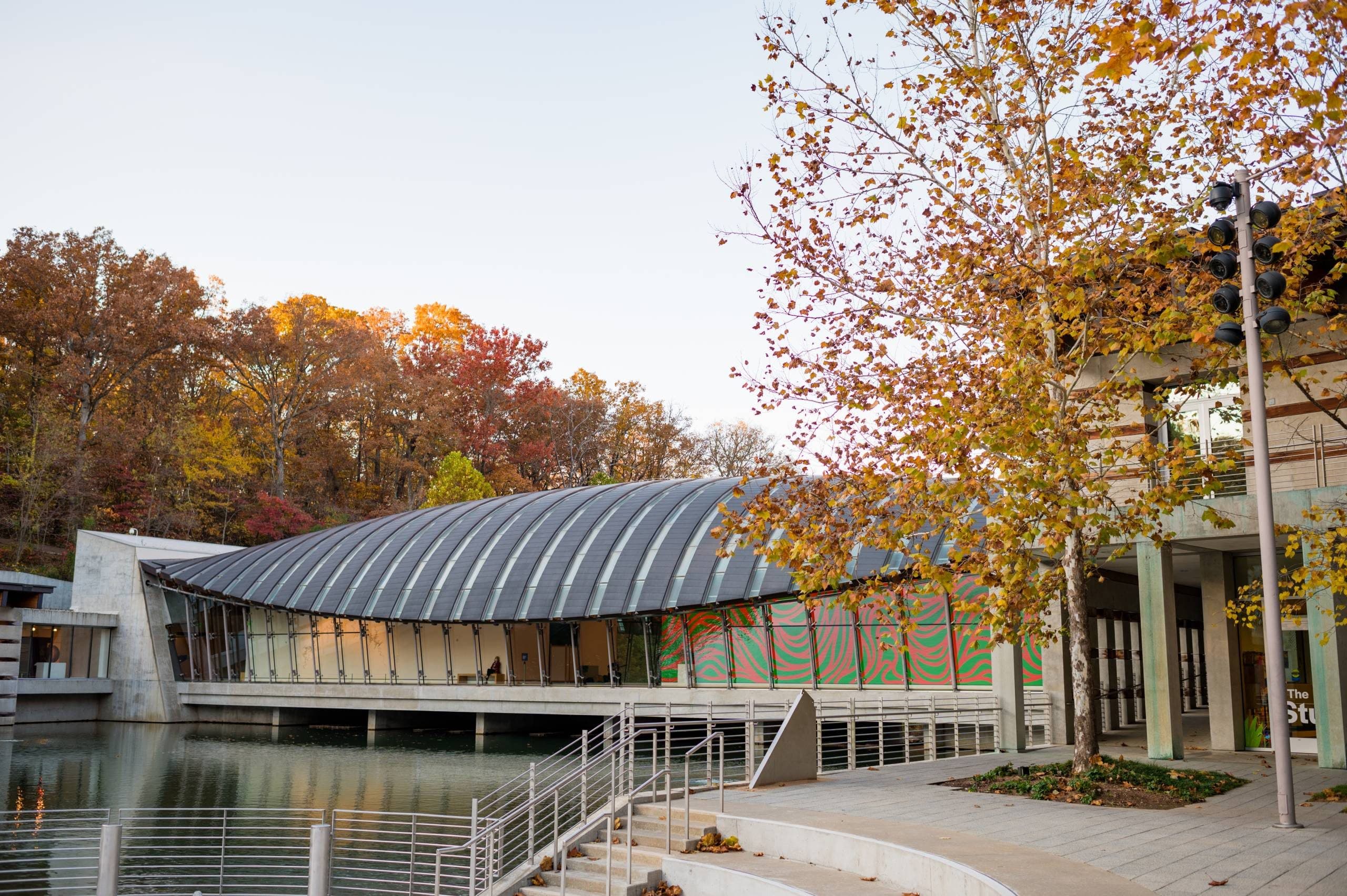
In 2023, the University launched a Master of Arts in Art History/Arts of the Americas program in partnership with Crystal Bridges, bringing new faculty to the region. The Crystal Bridges curatorial staff is also growing, with the addition of a curator of Indigenous art and the Windgate curator of craft in 2023. Crystal Bridges is nestled into an Ozark ravine on 134 acres of land. Art, architecture, and nature combine to make this location unique.
Who Should Apply
Crystal Bridges is dedicated to an equitable, inclusive, and diverse cohort of fellows. We seek applicants who bring a critical perspective and understanding of the experiences of groups historically underrepresented in American art, and welcome applications from qualified persons of color; who are Indigenous; with disabilities; who are LGBTQ+; first-generation college graduates; from low-income households; and who are veterans. Scholars with an interest in amplifying the impacts of their research by connecting to audiences beyond the academy are also invited to apply.
The Tyson Scholars program provides a close-knit community and ideal environment to accomplish writing. The Crystal Bridges’ collection and library, in combination with the region’s resources, made this fellowship program one of the most productive and beneficial that I participated in while completing my dissertation. Northwest Arkansas is a growing community with great potential to contribute to a robust dialogue on American art.
— Matthew Limb, PhD, 2022–2023 Tyson Scholar
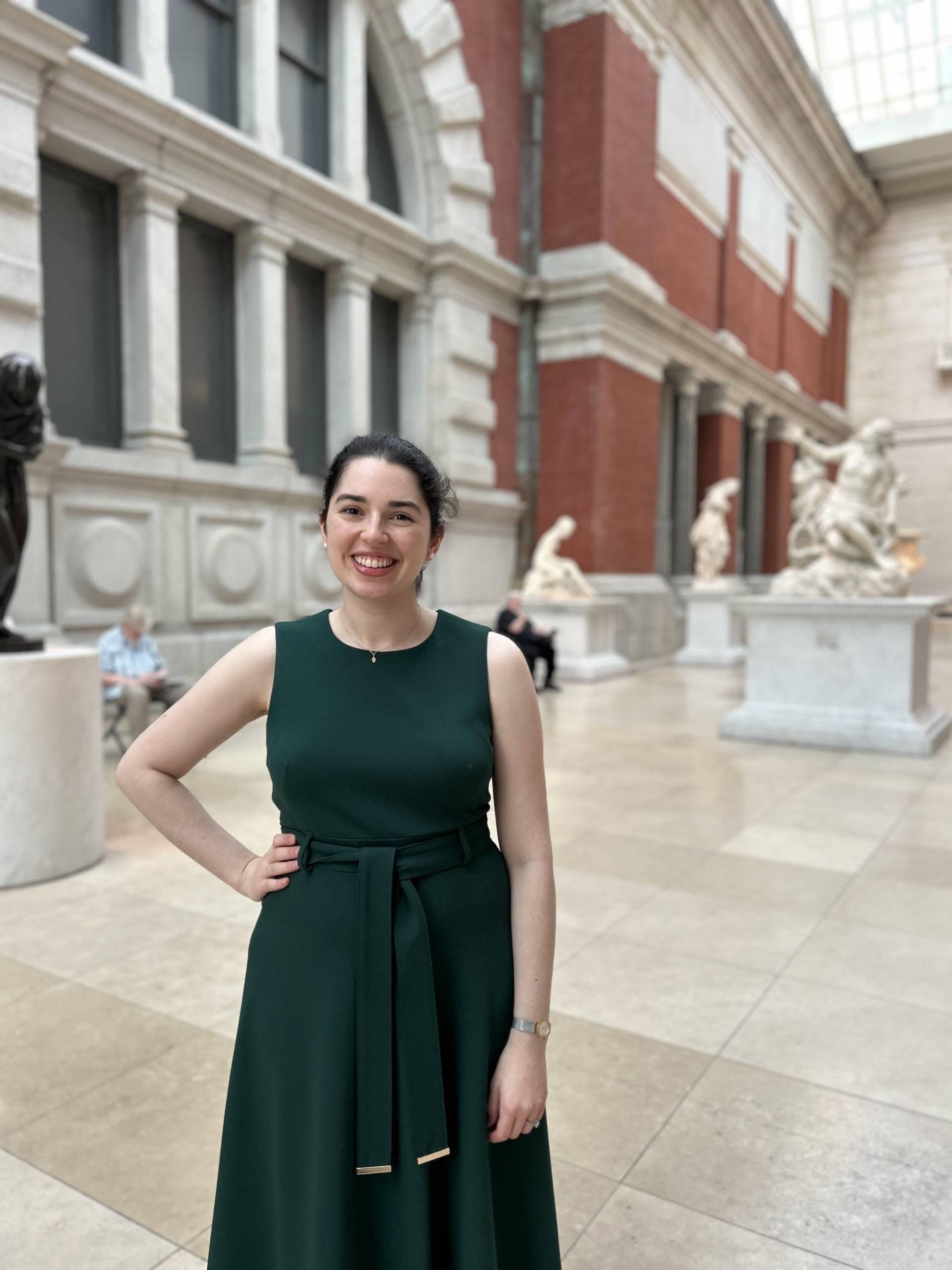
Emily Beeber
Emily Beeber is a Ph.D. Candidate in the Department of Art History at the University of Delaware. Her dissertation, “Visualizing Jewishness in the Atlantic World, 1715-1830,” examines the relationship between portraiture and Jewish identity within this context. Emily has held curatorial internships at institutions including the National Gallery of Art and the Baltimore Museum of Art, and she participated in the Summer Institute at the Museum of Early Southern Decorative Arts. Her dissertation research has been supported by the Center for Material Culture Studies at the University of Delaware and the American Jewish Historical Society.
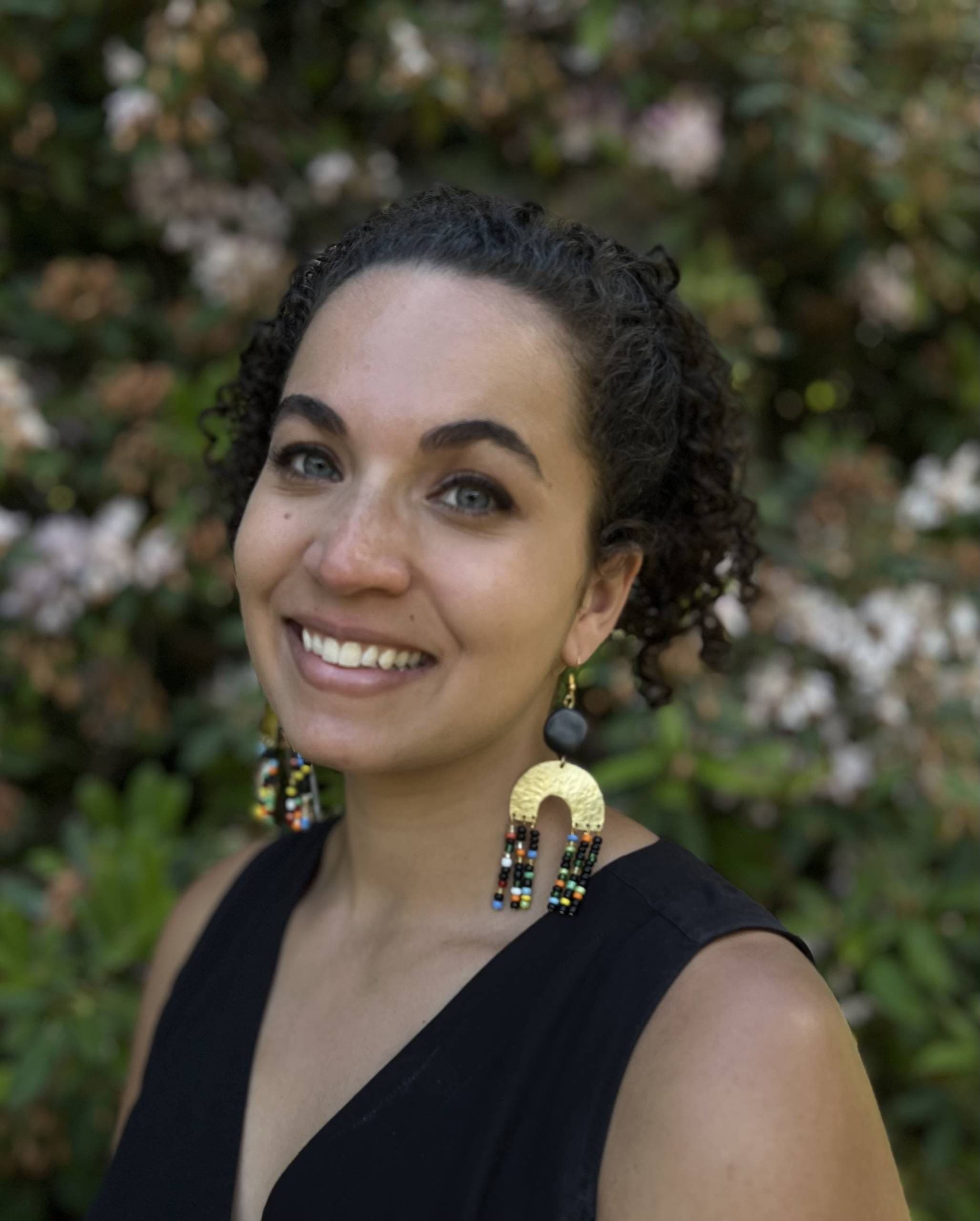
Charmaine Branch
Charmaine Branch is a Ph.D. candidate in the Department of Art & Archaeology at Princeton University, researching modern and contemporary art of the African Diaspora. Her dissertation considers Black women artists’ contributions to Black intellectual histories of collecting and archiving in the United States. Branch holds an M.A. in Modern Art: Critical and Curatorial Studies from Columbia University and a B.A. in Art History from Vassar College. Before joining the department, she worked as a Curatorial Fellow at The Studio Museum in Harlem and the Museum of Modern Art, where she contributed to several exhibitions and permanent collection projects.
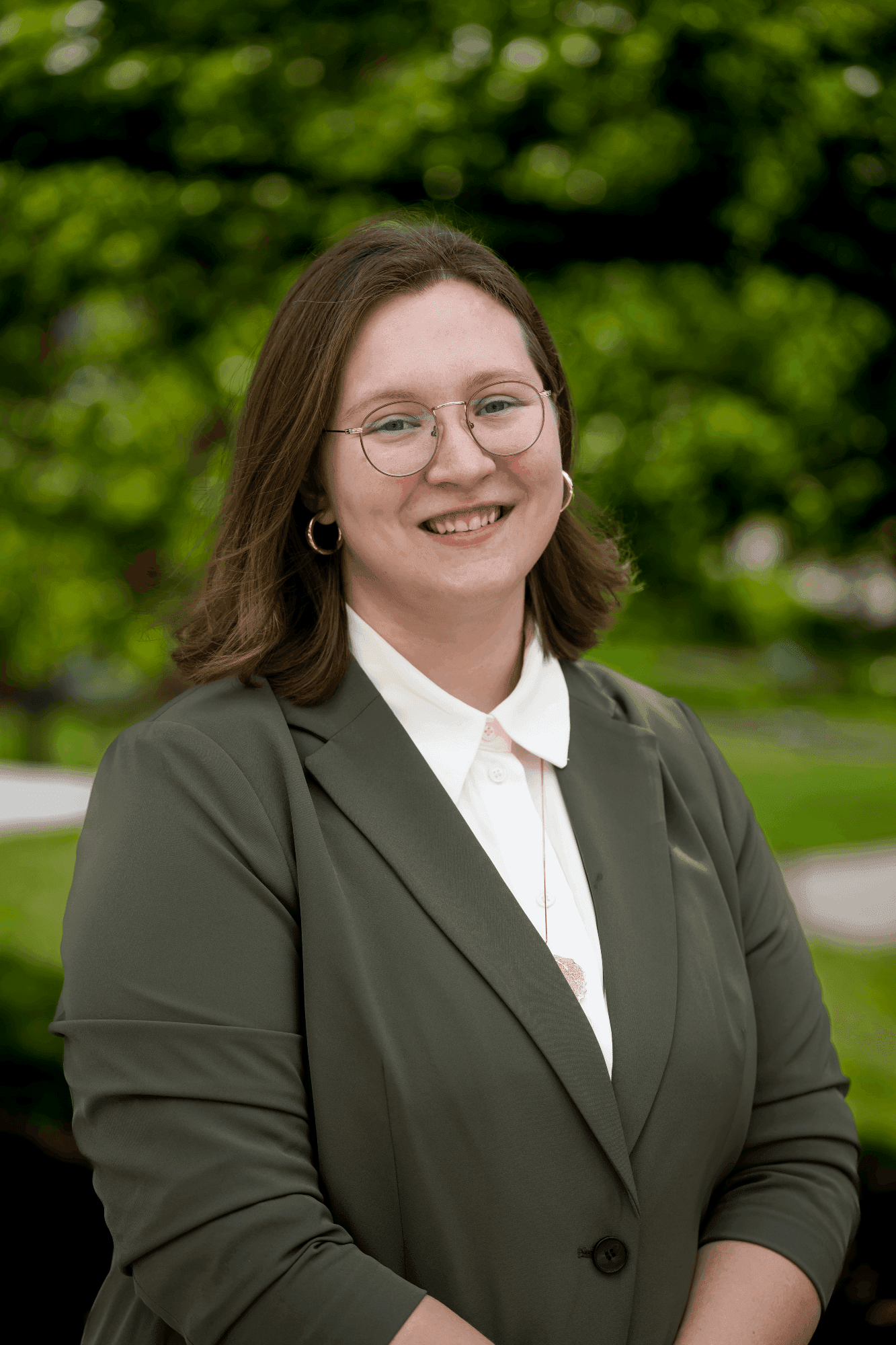
Ashley Cope
Ashley Cope is a PhD candidate in the Department of Art History and Archaeology at the University of Maryland where she studies American art and visual culture with Dr. Tess Korobkin. Ashley received her BA in Art History and Gender, Women, and Sexuality Studies at the University of Minnesota before serving as the 2019-2020 Gerry and Lisa O’Brien Curatorial Fellow at the Weisman Art Museum where she curated Locally Grown: Documentary Photography of Minnesota Communities. Ashley received her MA from the University of Maryland in 2022 and is currently writing a dissertation on gender nonconformity and non-binary form in interwar American art.
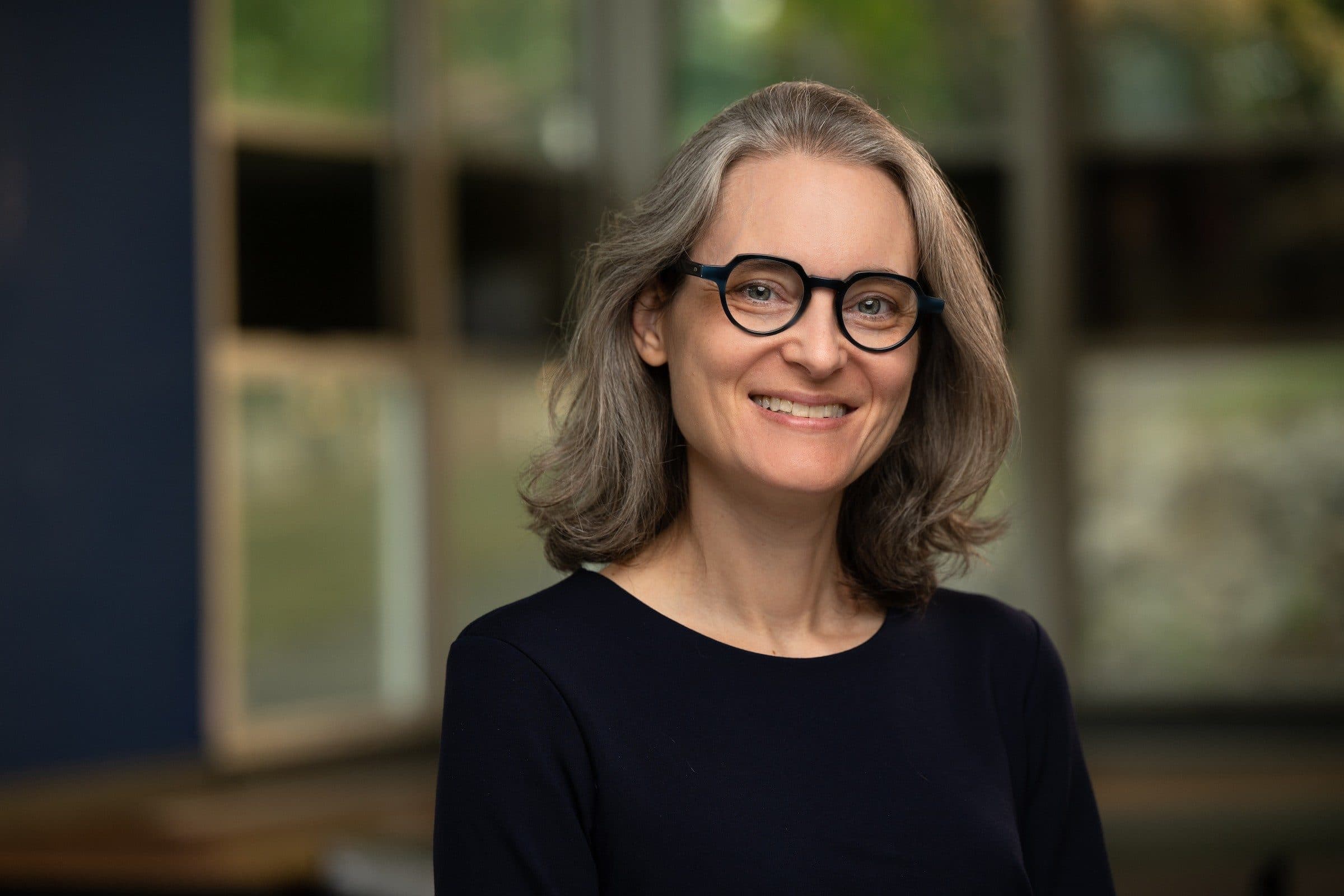
Tanya Sheehan
Tanya Sheehan is Ellerton M. and Edith K. Jetté Professor of Art at Colby College; Chair of the Department of Science, Technology, and Society at Colby; and Director of Academic and Scholarly Engagement at the Lunder Institute for American Art at the Colby College Museum of Art. From 2015 to 2025, she served as executive editor of the Smithsonian Institution’s Archives of American Art Journal. Dr. Sheehan authored Doctored: The Medicine of Photography in Nineteenth-Century America (2011) and Study in Black and White: Photography, Race, Humor (2018), in addition to editing six books, most recently Modernism, Art, Therapy (2024, with Suzanne Hudson).
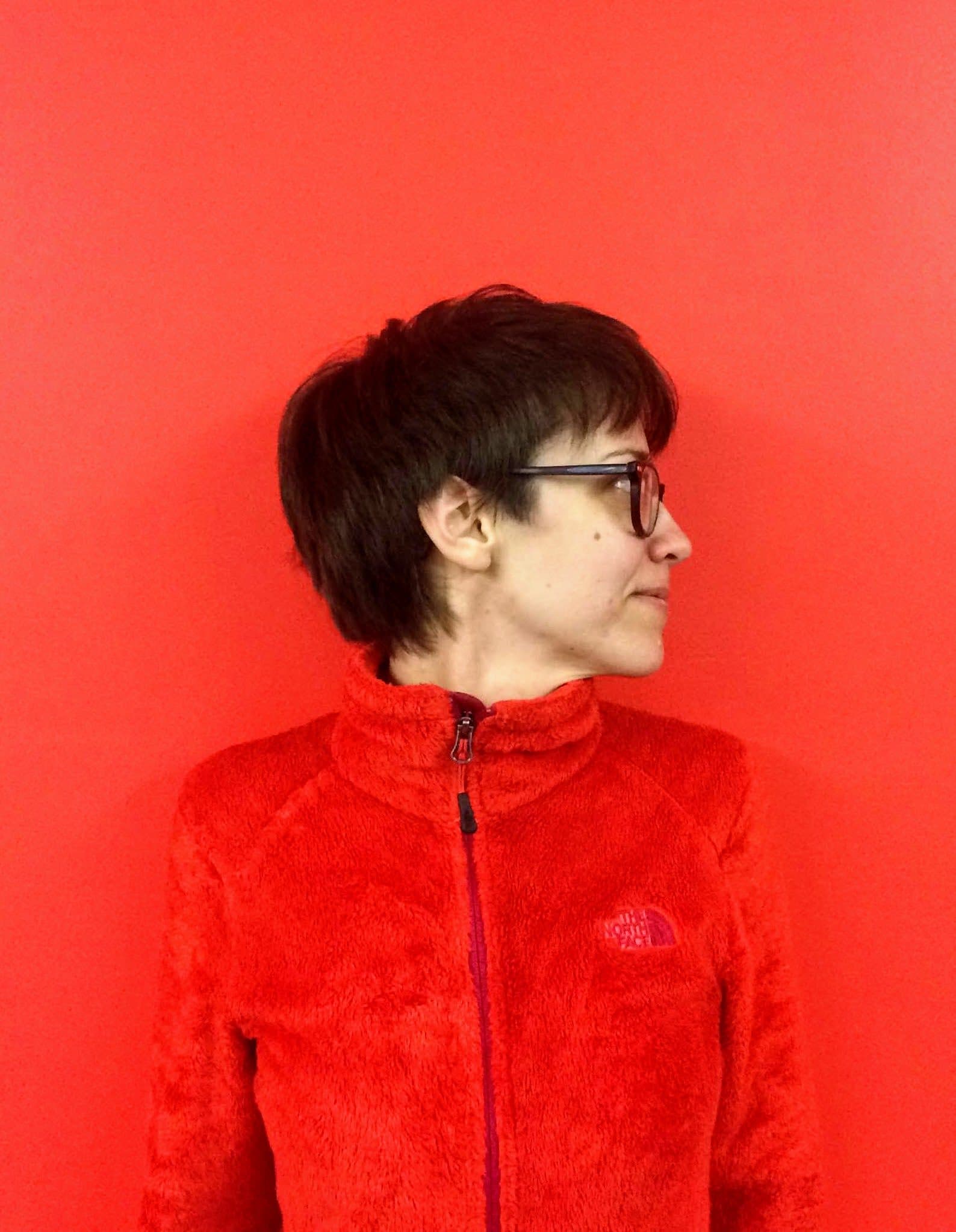
Monica Steinberg
Monica Steinberg is an Assistant Professor at The University of Hong Kong. Her research considers the intersection of art, fictional attribution, humor, and law. Recent publications include articles in American Art Journal, Art History, Art Journal, Grey Room, and Crime, Media, Culture. Dr. Steinberg’s book, Lives of the Imaginary Artists in Cold War California, is forthcoming with the University of Chicago Press (2025); it considers the pseudonymously attributed artworks, (auto)biografictions, and humorous events realized by a cadre of practitioners (both actual and imaginary) playfully frustrating the telling of history itself.
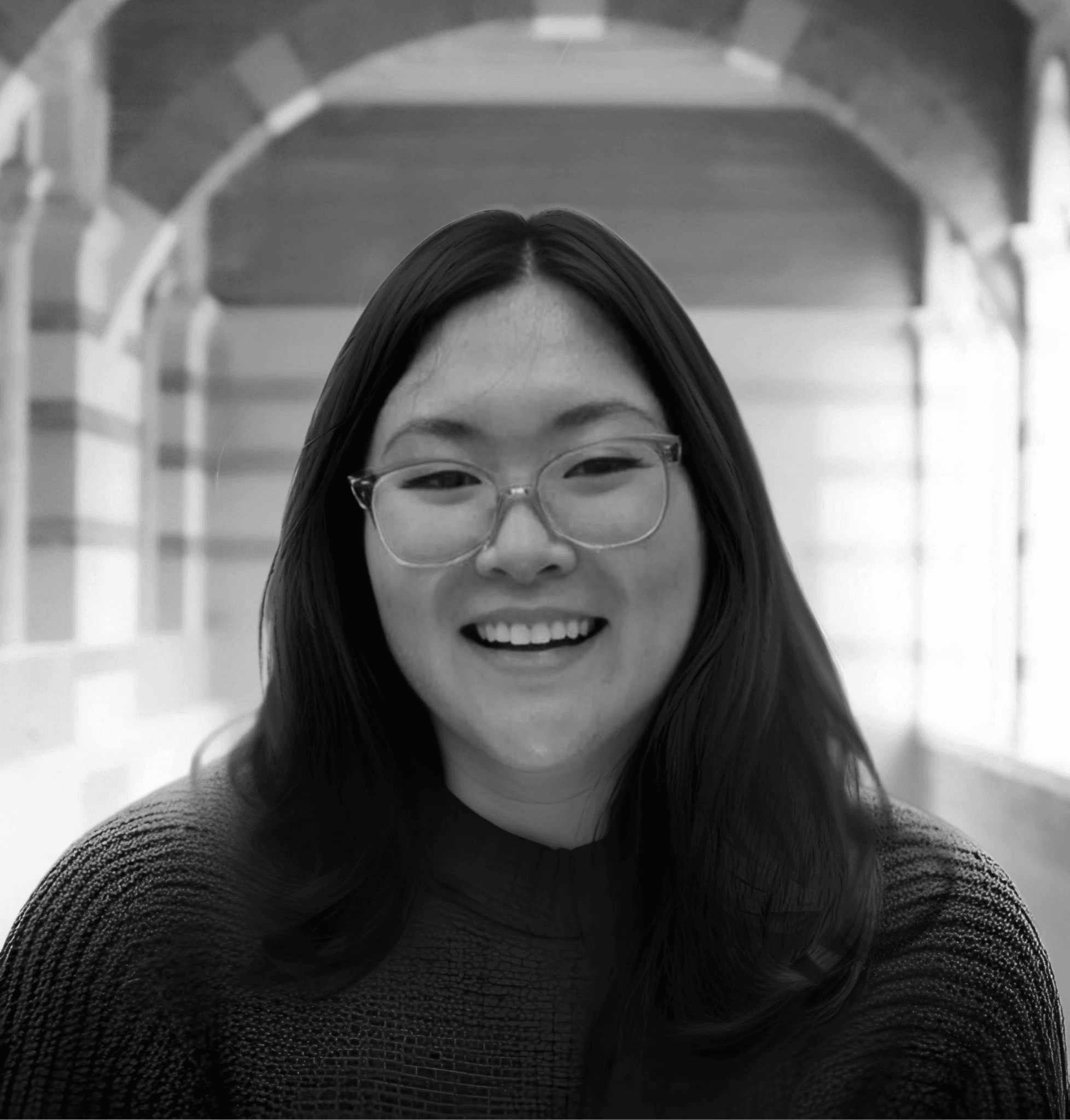
Natalie Zhang
Natalie Zhang is a Ph.D. candidate in Art History at the University of California, Los Angeles. Her dissertation reexamines “quotidian” spaces in interwar Los Angeles’s Chinatowns and Little Tokyo, framing them as significant yet overlooked sites of Asian American cultural production within a transnational creative network. Drawing on the idiosyncratic visual material born from these environments, she explores how Asian American artists negotiated their positionality within the entangled racial and visual economies of the period. Natalie holds an M.A. in Art History from the University of California, Los Angeles, and a B.A. in Art History and Chinese Studies from Willamette University.
Past Tyson Scholars
Fletcher Coleman, PhD
Dr. Fletcher Coleman is an Assistant Professor of Art History at the University of Texas at Arlington, where he also serves as coordinator for the Art History and Museum Studies programs. Coleman is a specialist on the religious arts and art historiography of China, whose research spans the medieval through early modern periods. Coleman also regularly curates exhibitions of twentieth century Asian and Asian American art. His work has been published in international journals such as Ars Orientalis, Orientations, and 典藏古美術 Diancang gumeishu.
Lexington Davis
Lexington Davis is an AHRC-funded PhD candidate at the University of St Andrews, where her research explores 1970s feminist art and domestic labor politics across the United States, United Kingdom, France, and Mexico. She has previously held curatorial positions at the New Museum, New York; the Stedelijk Museum, Amsterdam; and the Los Angeles County Museum of Art. She has taught at Leiden University and has written for publications including Feminist Media Histories, Sculpture Journal, and Flash Art. Her work has been supported by a Fulbright Fellowship, the Harvard Radcliffe Institute, the Paul Mellon Centre for Studies in British Art, the Association for Art History, and Het Cultuurfonds.
Amy Kahng
Amy Kahng is a PhD candidate in Art History and Criticism at Stony Brook University. Her dissertation project examines twentieth century Asian American artists and their relationship to land and landscape. Other research interests include global contemporary art, modern and contemporary art in Korea, and transnational feminist art practices. Amy was a 2022-23 Patricia and Phillip Frost Predoctoral Fellow at the Smithsonian American Art Museum and her research has been supported by Amon Carter Museum of American Art, the Graduate Council Fellowship (Stony Brook), and the Center for Korean Studies (Stony Brook). Amy is an independent curator and has contributed to projects at MoMA, MFA Boston, J. Paul Getty Museum, Kukje Gallery, and the Weisman Museum of Art. Her exhibition Mis/Communication: Language and Power in Contemporary Art is currently touring five SUNY campuses.
Julie McGee, PhD
Julie L. McGee is Associate Professor of Africana Studies and Art History and Director of the Interdisciplinary Humanities Research Center at the University of Delaware. An independent curator, she developed David Driskell: Icons of Nature and History (2021) in collaboration with the High Museum of Art and the Portland Museum of Art. Among her past fellowships are the Dorothy Kayser Hohenberg Chair of Excellence in Art History at the University of Memphis, a Paul Mellon Visiting Senior Fellowship at the Center for Advanced Study in the Visual Arts at the National Gallery of Art in Washington, D.C., and a Rockefeller Foundation Humanities Fellowship at the Smithsonian.
Angela Pastorelli-Sosa
Angela Pastorelli-Sosa is a PhD candidate at the University of California, Berkeley. She specializes in modern and contemporary art of the Americas and the Caribbean. Her dissertation examines four Latinx artists whose works mobilize historical objects to explore how spaces–such as borders, commonwealths, and urban environments–continue to be contested via racialized, gendered bodies. She is a past recipient of the Luce/ ACLS Dissertation Fellowship in American Art and has also participated in the Center for Curatorial Leadership’s Mellon Foundation Seminar.
Lily Allen
Lily Allen is a fourth-year Ph.D. candidate in American art at the University of California, Riverside whose homebase is Los Angeles. Her research investigates the pan-Pacific social and artistic milieu of L.A. in the 1920s and 30s, and the modernist painting that arose from it, through the lives and works of artists Benji Okubo, Hideo Date, Mabel Alvarez, and Stanton Macdonald-Wright. She has a BA in art history from New York University, an MA from UC Riverside, and has worked at The Huntington Library Art Museum, Art in America magazine, and NYU’s Grey Art Gallery.
Ricardo Chavez
Ricardo Chavez is a fifth-year PhD candidate in the Art History and Education program at the University of Arizona. He received his bachelor’s degree from Sacramento State University and his master’s degree in Art History and Visual Culture from San Jose State University. Ricardo’s research focuses on the art of American social movements from the 1960s and their influence on the participatory and socially engaged art of the present. Furthermore, his research addresses the history and intersections of art, education, and activism in relation to the fields of art education and public/critical pedagogy. His work has previously been published in Rutgers Art Review, and his career goal is to teach art history in a full-time university faculty position.
Amy Crum
Amy Crum is a PhD Candidate at the University of California, Los Angeles where she specializes in contemporary art of the Americas. Her dissertation examines several experimental mural projects in Los Angeles and Mexico by Chicanx artists beginning in the 1970s in dialogue with the emergence of practices like installation art, institutional critique, and social practice art. Her research has recently been supported by the Smithsonian American Art Museum, the Archives of American Art, the Fowler Museum, and the UCLA Chicano Studies Research Center. In addition to her academic pursuits, Crum is an alumna of the Independent Curators International Curatorial Intensive and she has been involved in numerous exhibitions at institutions like the New Orleans Museum of Art and the Los Angeles County Museum of Art.
Willa Granger
Willa Granger is a historian of modern American built environments. Broadly, Granger’s research is concerned with histories of social welfare, and specifically with how the political economy of care takes on spatial and material form within healthcare facilities and their design. Her manuscript, Constructing Old Age: Race, Ethnicity, Religion and the Architecture of Homes for the Aged will offer the first book-length account of the architectural and social history of the American nursing home. Granger holds a Ph.D. in Architectural History from the University of Texas at Austin. She is an Assistant Professor at Florida Atlantic University within the School of Architecture.
Theresa Leininger-Miller
Theresa Leininger-Miller is Professor of Art History, University of Cincinnati. Selected publications include her book, New Negro Artists in Paris: African American Painters and Sculptors in the City of Light, 1922-1934; chapters in The Routledge Companion to African American History; Women Artists of the Harlem Renaissance; Out of Context; and The Modern Woman Revisited; essays in Panorama and Source; and catalogue essays in Imprinted: Illustrating Race; Harlem Renaissance; Black Paris; and Picture Cincinnati in Song. She has curated eight exhibitions of illustrated sheet music. National awards include those from National Endowment for the Humanities; Georgia O’Keeffe Museum; Kress Foundation, Henry R. Luce Foundation; Smithsonian Institution; and Auburn University.
Melanie Nguyen
Melanie Woody Nguyen is a PhD candidate in art history at the University of Maryland, specializing in contemporary art and the environment. Her dissertation, “Embodied Ecologies: Performance Art and Environmentalism, 1970-1990,” re-narrates the history of U.S. environmental art, demonstrating how women and artists of color—often performing with their own bodies—offered an expansive and socially embedded notion of ecology absent from canonical histories. The dissertation mines three case studies—on Ana Mendieta, Mierle Laderman Ukeles, and Maren Hassinger—finding in the art radical potential for rethinking current approaches to climate change.
Nguyen has been awarded the University of Maryland’s Flagship Fellowship, a curatorial fellowship at the Hirshhorn Museum and Sculpture Garden, and the University of Maryland’s Outstanding Graduate Teaching Award. She has delivered lectures at the Barnes Collection, Bryn Mawr College, Crystal Bridges Museum of American Art, and the College Art Association, among other venues.
Sehyun Oh
Sehyun Oh is a PhD candidate in the Department of Art History & Archaeology at Columbia University. Her research centers on modern and contemporary art within a global context, with a particular focus on photography and film. Sehyun’s dissertation examines the art of first-generation Japanese Americans in the early twentieth century through the interdisciplinary lens of diaspora and ecology. Her research interests also extend to broader topics such as migration, the natural environment, and everyday life in art history.
Florencia San Martín
Florencia San Martín is Assistant Professor of Art History at Lehigh University, where she teaches and writes about contemporary art in the Americas, decolonial methodologies, and theories on gender, photography, politics, and globalization in the neoliberal present. Her publications include The Routledge Companion to Decolonizing Art History, co-edited with Tatiana Flores and Charlene Villaseñor Black (Routledge, 2023); and the co-edited volume Dismantling the Nation State: Notes on Contemporary Art and Culture in Chile (Amherst College Press, 2023). Her first book project reframes the art of Alfredo Jaar from a decolonial perspective and has been supported by institutions including the Smithsonian American Art Museum, Rutgers University, and the Chilean National Commission for Scientific and Technological Research.