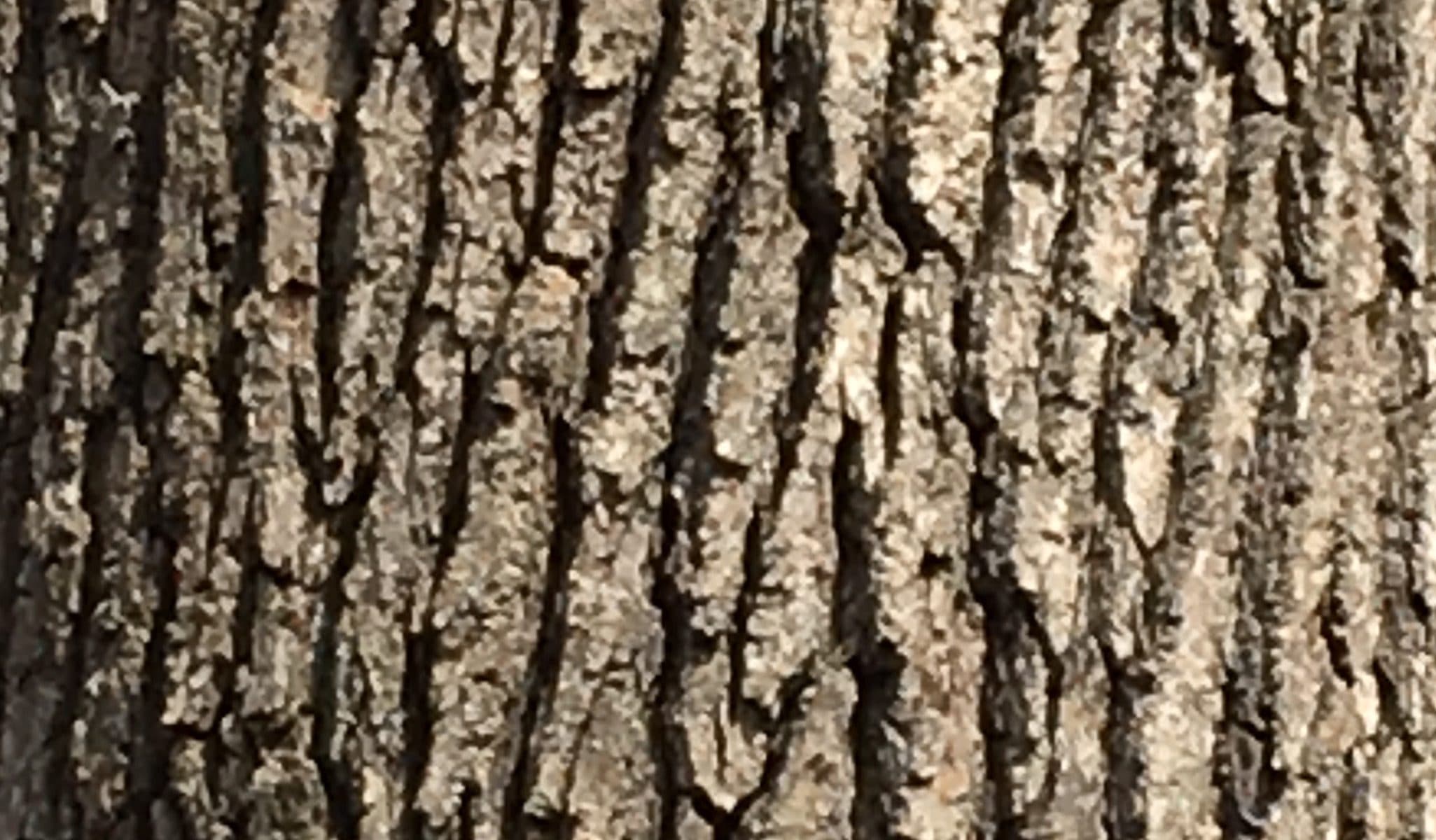
Black Gum
Nyssa sylvatica
En flor
Se encuentra en
- Familia botánica
- Nyssaceae
- Zona de cultivo
- 4-9
- Altura
- 30-50 ft.
Bloom description: The small, greenish blooms appear in clusters of 5 when the leaves emerge in April.
Leaf type: The leaves are elliptical, 3-6 in. long and 1-3 in. wide. They are dark green in color and turn to shades of orange, purple, and deep red. The new leaves are salmon in color. The black gum is one of our best trees for fall color and one of the earliest to turn in the fall. Wildfire black gum is a cultivar planted on the site that displays bright red new foliage in the spring.
Garden uses: Black gums make excellent specimen trees in residential or commercial uses. They are often used to help naturalize streambanks and woodland gardens. They tolerate poorly drained soils and can often be seen in the wild growing in standing water. The fruit is 1/2 in. long and bluish-black in color, which appears from September-October. A male and female tree is required for fruit set.
Wildlife benefits: Deer, bear, squirrels, and bluebirds eat the fruit. Beaver eat the bark.
Escuchar
Mostrar transcripción
CHAMPION TREES TRANSCRIPT
NARRATOR: Crystal Bridges is currently home to two state champion trees. Adriane Barnes and Kevin Hickey of the Arkansas Forestry Commission discuss the state's Champion Tree Program and explain the measurements that go into determining a tree's overall bigness index.
ADRIANE BARNES: Arkansas is a state with over 19 million forested acres, covering over 56% of the state's acreage. The Champion Tree Program highlights the largest tree of each species amid our diverse forests. Currently 124 trees are included in our list across 41 Arkansas counties.
KEVIN HICKEY: When we get a request to come out and measure a tree to determine whether or not it's a champion, the first thing we have to do is to determine the species and the first thing we do is to measure the circumference of the tree. We take this measurement at four and a half feet above the ground on the uphill side of the tree. Once we determine their circumference in inches, we then step away from the tree and using a special tool called a clinometer, we measure the height of the tree. A third measurement that we take is pretty much a tie breaker, and that is we measure the average spread of the branches or what we call the crown spread. We then come up with a point total, which determines the bigness index of the tree.
ADRIANE BARNES: But why does it matter what's a champion? Well, it's a way to get folks interested in the many ways that our forests contribute to the aesthetic beauty of our state, to the recreational beauty to our state. And just to folks that may or may not know a lot about trees. So the easiest way to send guests out on Champion Tree hunts is go and see the trees with an address listed on the currently published Champion Tree list. If a location isn't published, get in touch with the Forestry Commission and we can easily tell you A, whether the tree is accessible or not, and B, whether it is accessible, but we encourage you to call so that you don't get lost. The Forestry Commission Facebook page is the best place to go and find archives of photos of our champions.